Namibia Self-Drive Safaris with Wild Cherry Adventures
Namibia isn’t just a road trip — it’s freedom. Endless horizons, red dunes glowing at sunrise, wildlife roaming the savannah, and roads that lead you straight into adventure. Self-driving here means independence, solitude, and discovery at your own pace. From Sossusvlei’s iconic dunes to Etosha’s elephants and the wild Skeleton Coast, every kilometre is a story waiting to be lived
Why Choose Wild Cherry Adventures To Assist?
Drive Yourself, Safari Smarter: Explore Namibia’s open roads, then join our Private Guided Safaris for insider wildlife encounters.
Peace of Mind: 24/7 local support — you’re never truly alone out there.
Tailored Freedom: Mix self-drive independence with guided lodge activities, desert walks, and cultural experiences.
Unforgettable Landscapes: Namibia’s contrasts — desert, mountains, coast, savannah — are best discovered with flexibility and expert guidance.
With Wild Cherry Adventures, you don’t just drive Namibia — you live it.
Central Namibia – Gateway & Culture
Capital Hub
Namibia’s Capital City
Road Access
Best Road Connections
Cultural Mix
Traditions and Modern Life
Tip 1: Start Your Namibia Self-Drive Journey in Windhoek
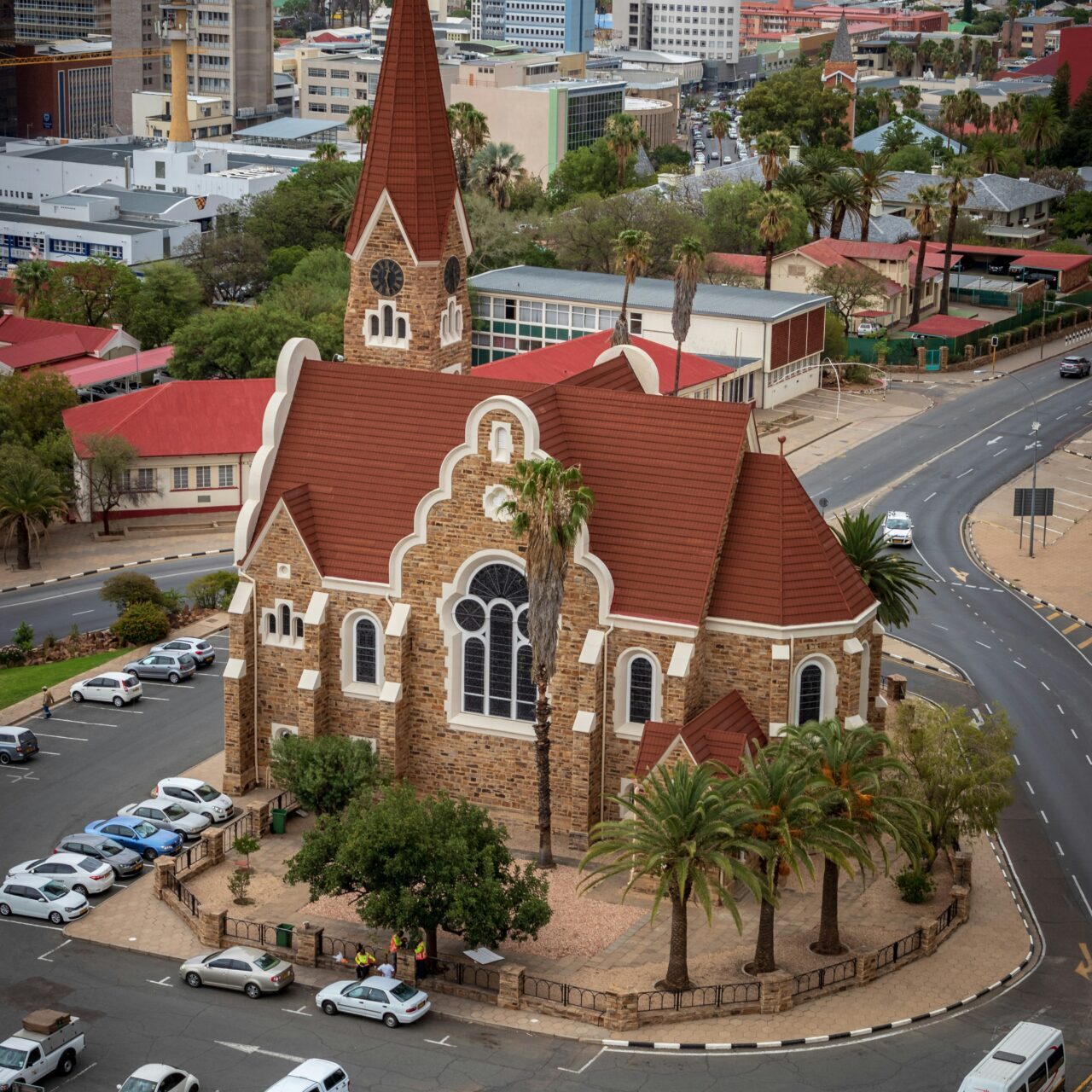
Windhoek is the perfect gateway for a Namibia self-drive adventure. As the country’s main transport hub, it offers excellent vehicle rental options, well-stocked supermarkets, and comfortable overnight stops before hitting the open road. Take time to adjust to Namibia’s driving conditions, stock up on water and supplies, and plan realistic daily distances — Namibia rewards slow travel.
Tip 2: Master Namibia’s Gravel Roads Early
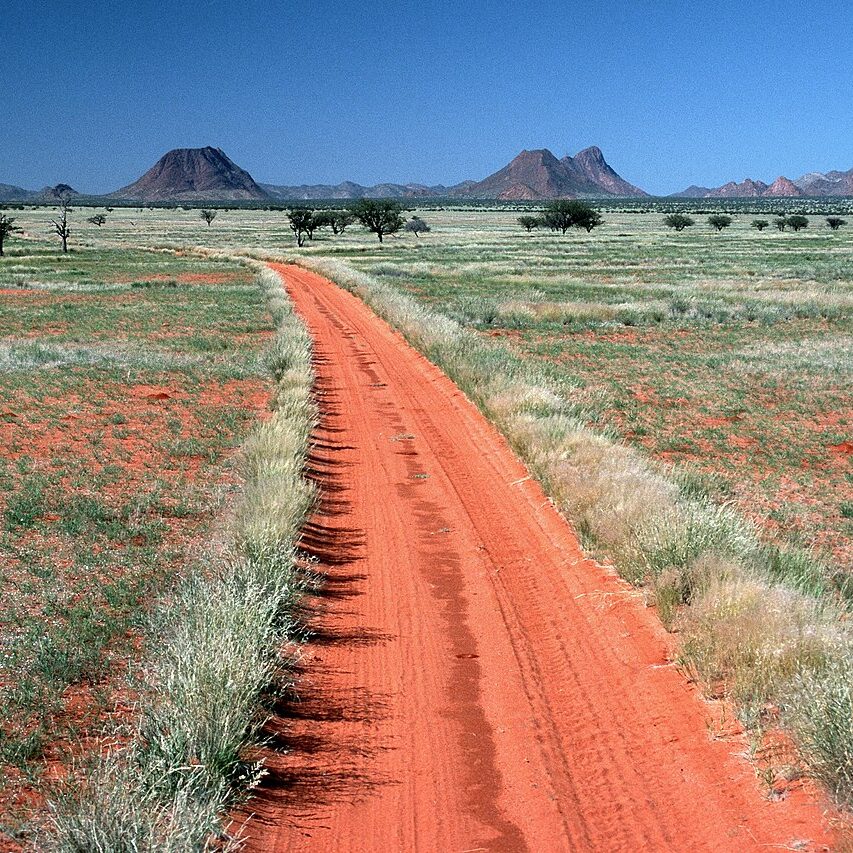
Most of Namibia’s self-drive routes — even near Windhoek — are on gravel roads. Take time in Central Namibia to learn how your vehicle handles corrugations, loose stones, and changing road conditions. Drive smoothly, avoid sudden braking, and keep speeds conservative. Mastering gravel driving early sets the tone for a safe and confident Namibia road trip.



Southern Namibia – Deserts, Canyons & Ghost Towns
Deep Canyons
Africa's Largest Canyon
Red Deserts
Vast Arid Landscapes
Ghost Towns
Abandoned Diamond Towns


Tip 3: Fuel Up Early in Southern Namibia
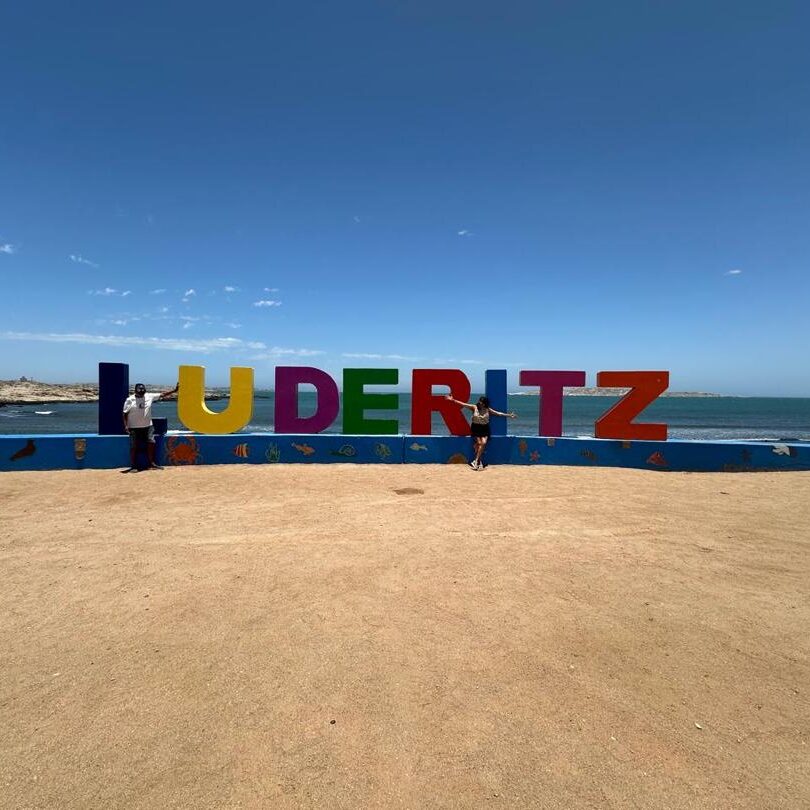
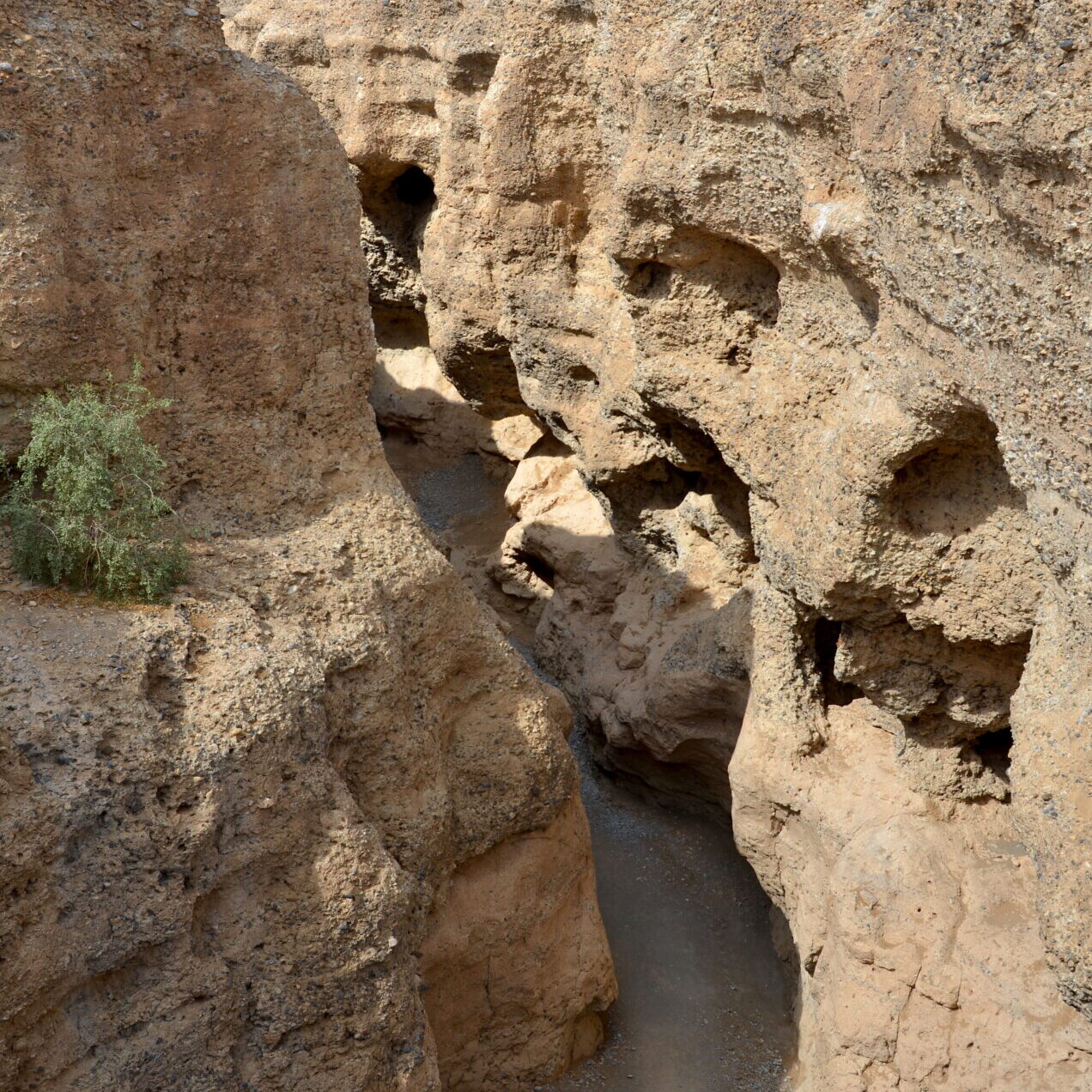
Southern Namibia is vast, remote, and incredibly scenic — but fuel stations are few and far between. Always refuel when you can, especially when heading towards the Fish River Canyon, Lüderitz, or the Tiras Mountains. Carry extra water and avoid driving after dark, when wildlife and livestock are hardest to spot.



Namib Desert Heartland – Dunes & Iconic Landscapes
Ancient Desert
World's Oldest Desert
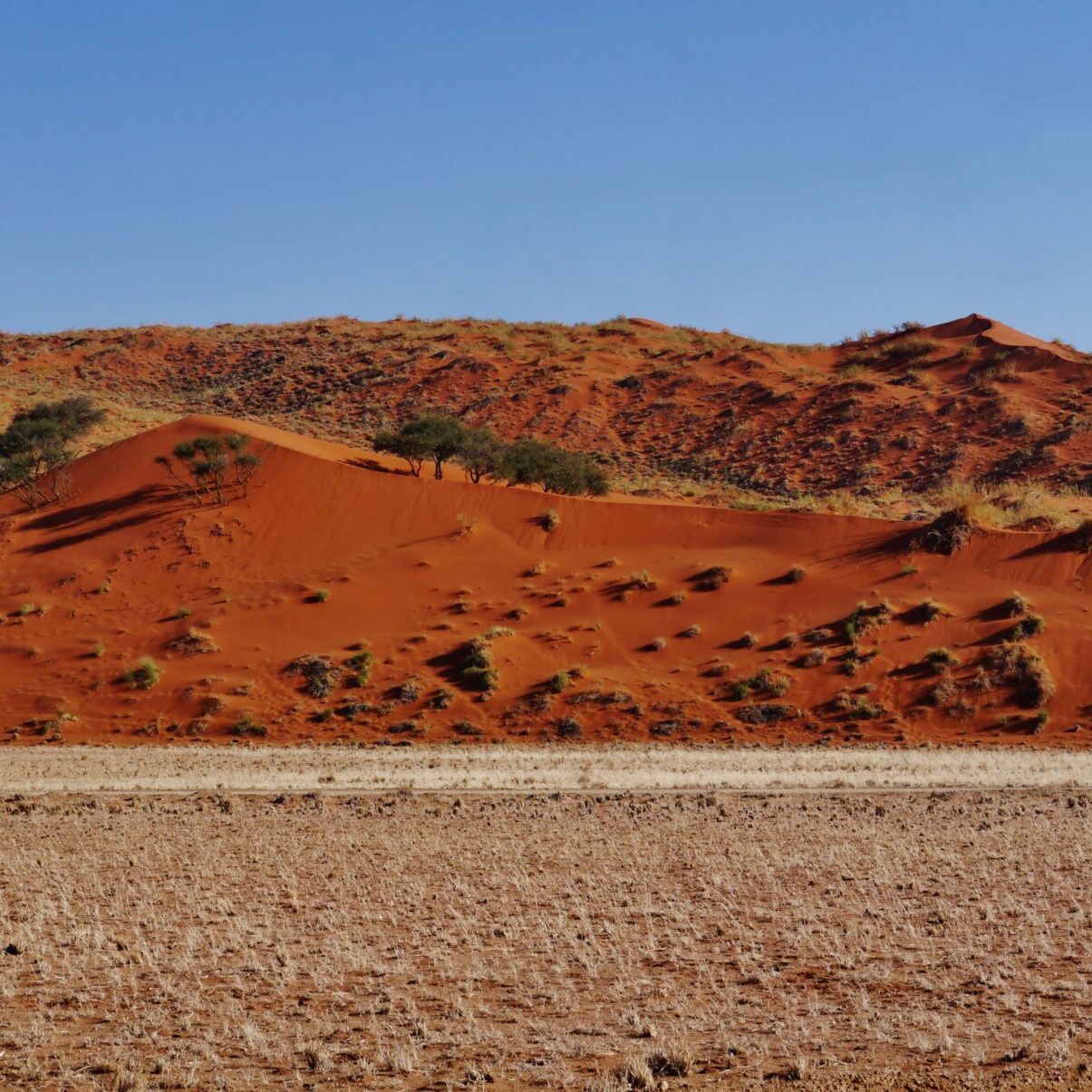
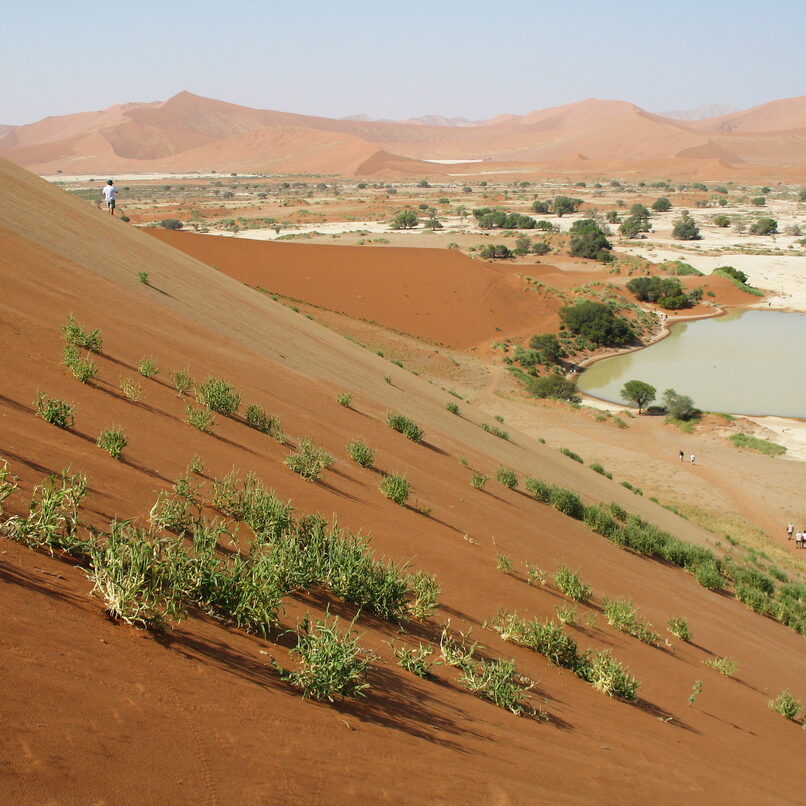
Towering Dunes
Iconic Red Sand Dunes
Photographic Masterpiece
Namibia's Most Photographed Sites

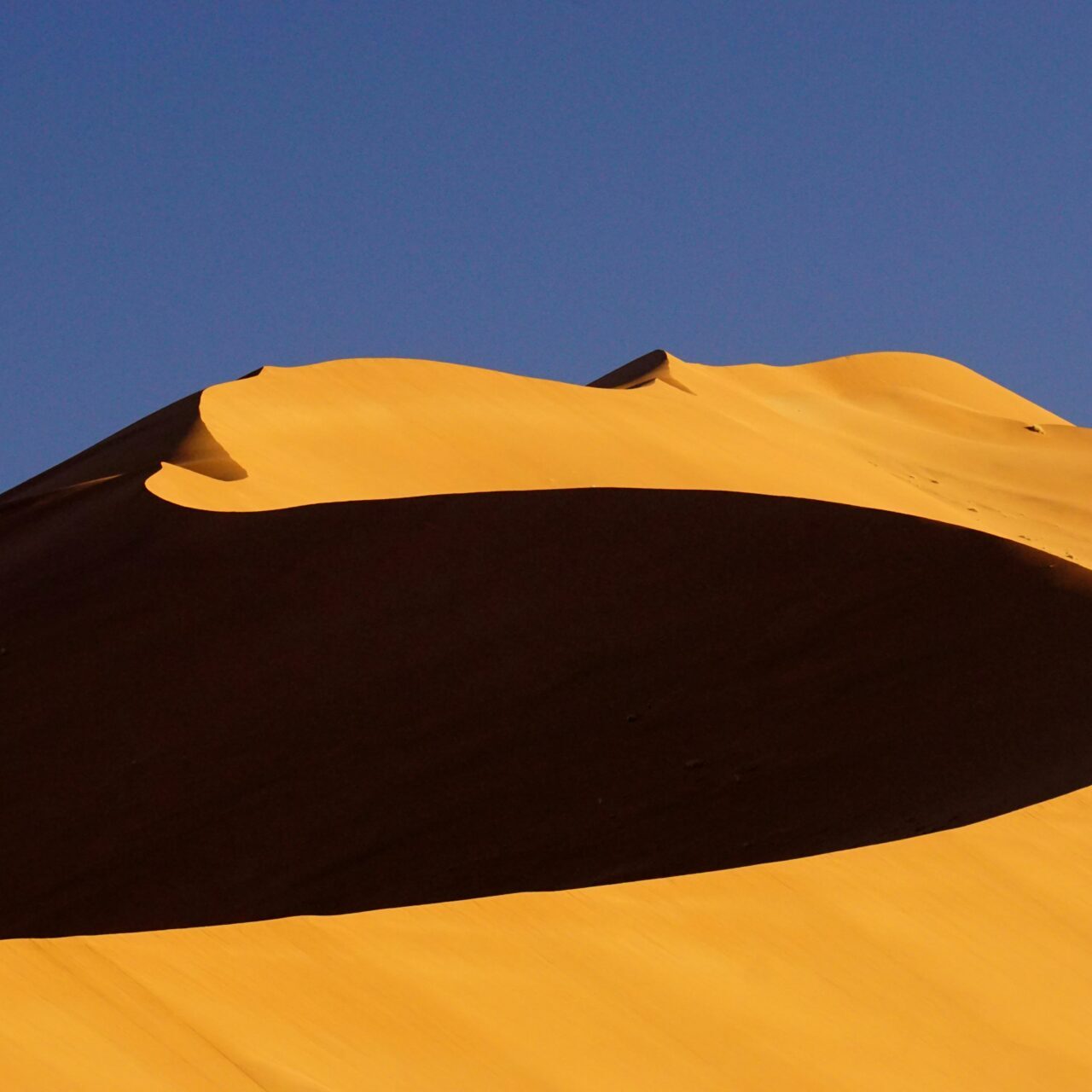
Tip 4: Enter the Namib Desert Early in the Morning
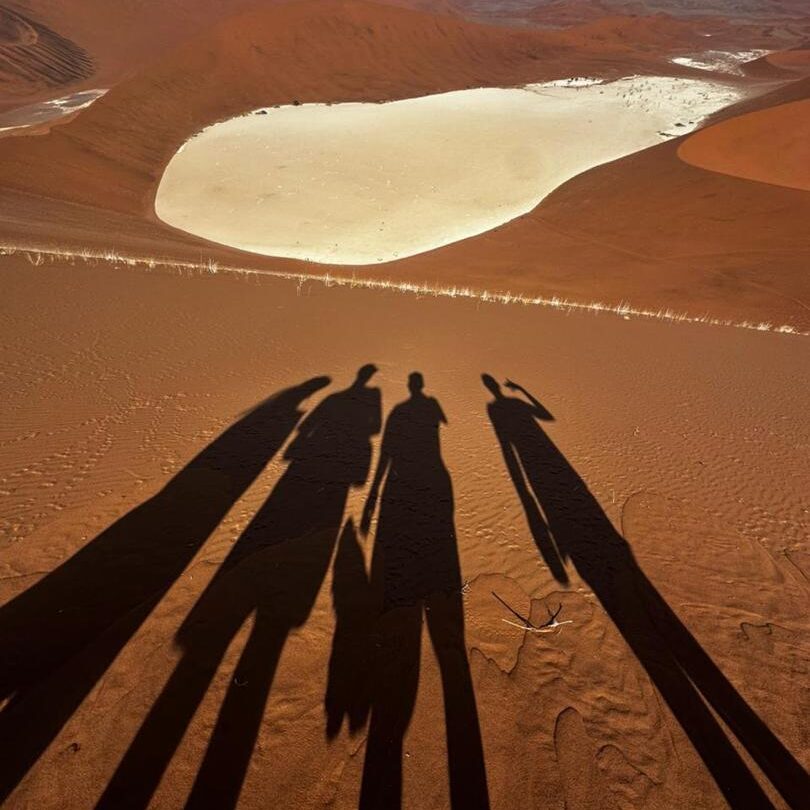
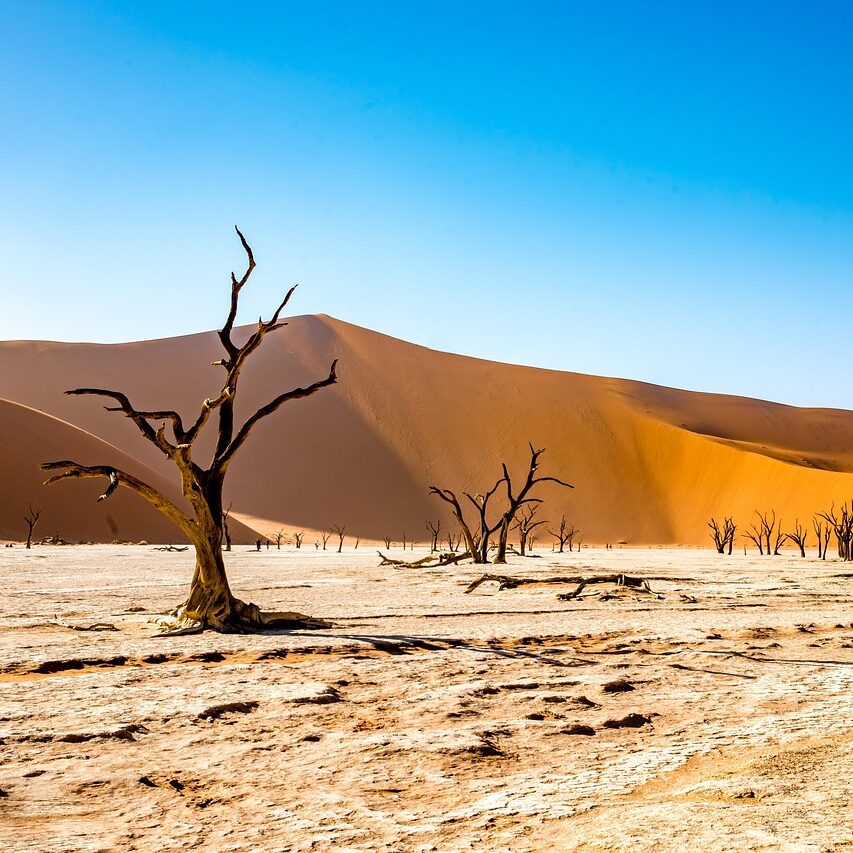
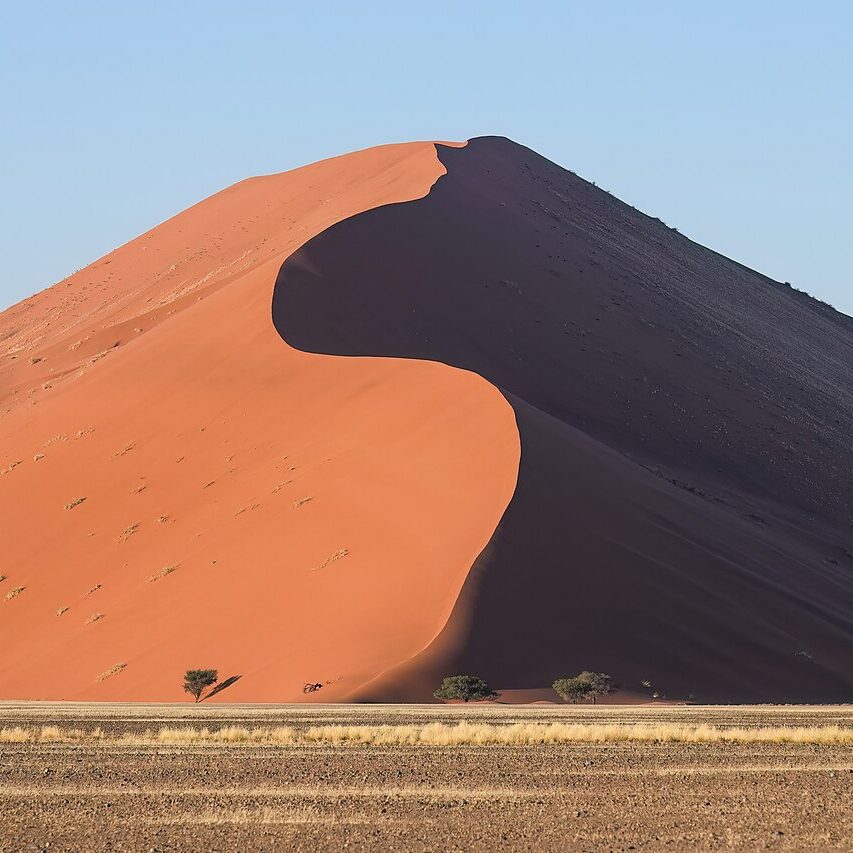
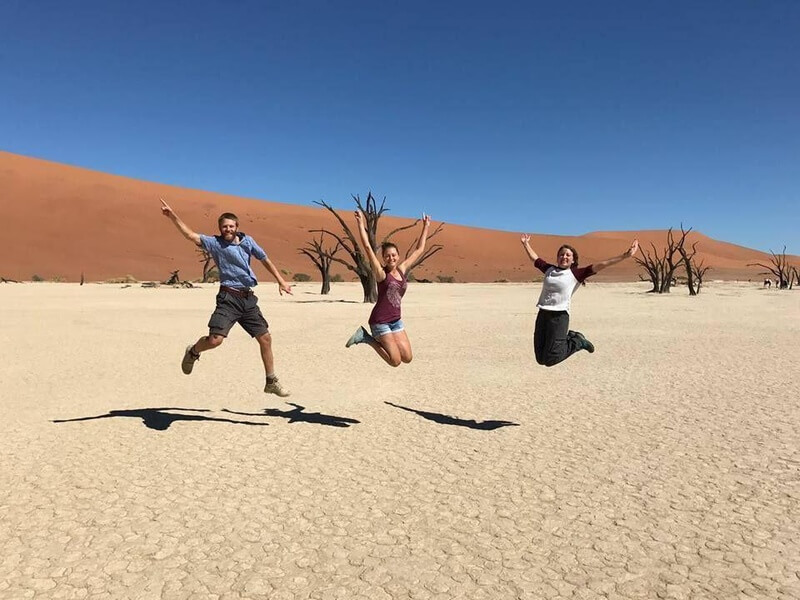
For iconic destinations like Sossusvlei and Deadvlei, timing is everything. Enter Namib-Naukluft National Park at sunrise to beat the heat, avoid crowds, and experience the dunes at their most dramatic. Early starts also make deep-sand driving safer and more enjoyable, especially on a Namibia dune road trip.


Coastal Namibia – Atlantic Coast & Desert Ocean
Cold Atlantic
Benguela Current Influence
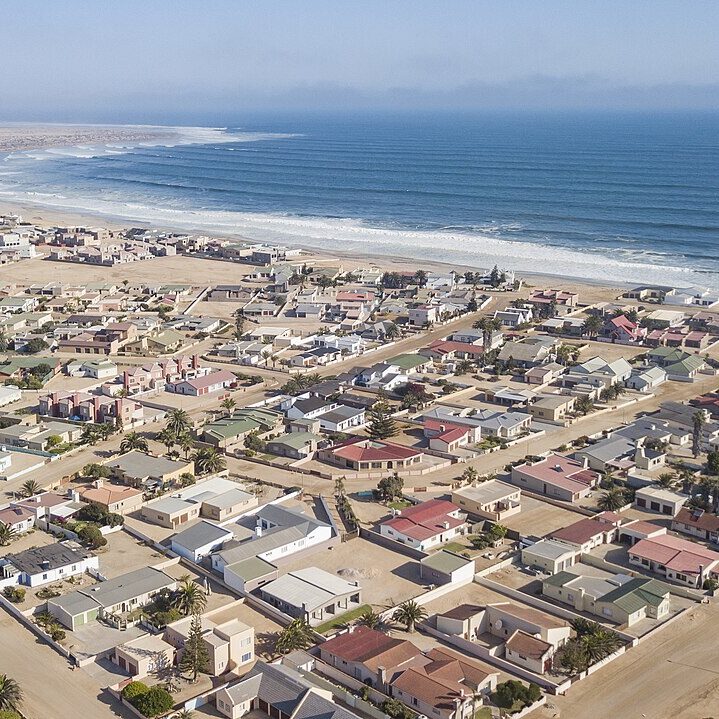
Desert Coastline
Dunes Meet The Ocean
Marine Life
Seals, Birds, Whales


Tip 5: Adjust Tyre Pressure Along the Coast
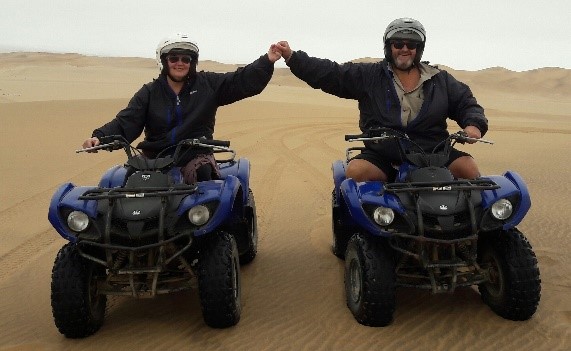
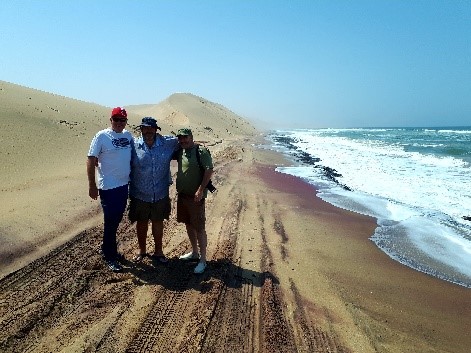
Driving the coastal deserts around Swakopmund and Sandwich Harbour requires proper tyre pressure adjustment. Lowering tyre pressure improves traction on sand and prevents vehicles from getting stuck. If you’re unsure, guided excursions are recommended — the Skeleton Coast and Sandwich Harbour are spectacular but unforgiving environments.

Tip 6: Respect Weather Conditions on the Skeleton Coast
Fog, strong winds, and sudden temperature drops are common along Namibia’s Atlantic coast. Always check weather conditions before setting out and carry warm layers, even in summer. Visibility can change rapidly, making cautious driving essential on coastal self-drive routes.



Damaraland & Erongo – Ancient Landscapes & Rock Art
Rock Art
Ancient Stone Gravings
Desert Wildlife
Elephant and Rhino
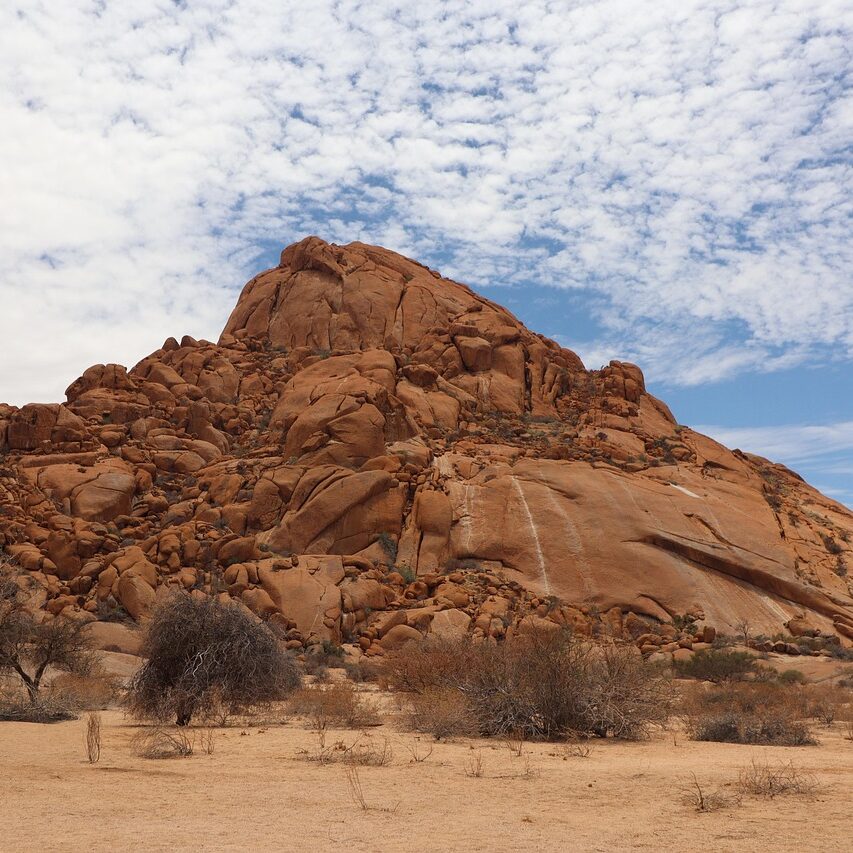
Geological Wonders
Granite and Volcanic Formations
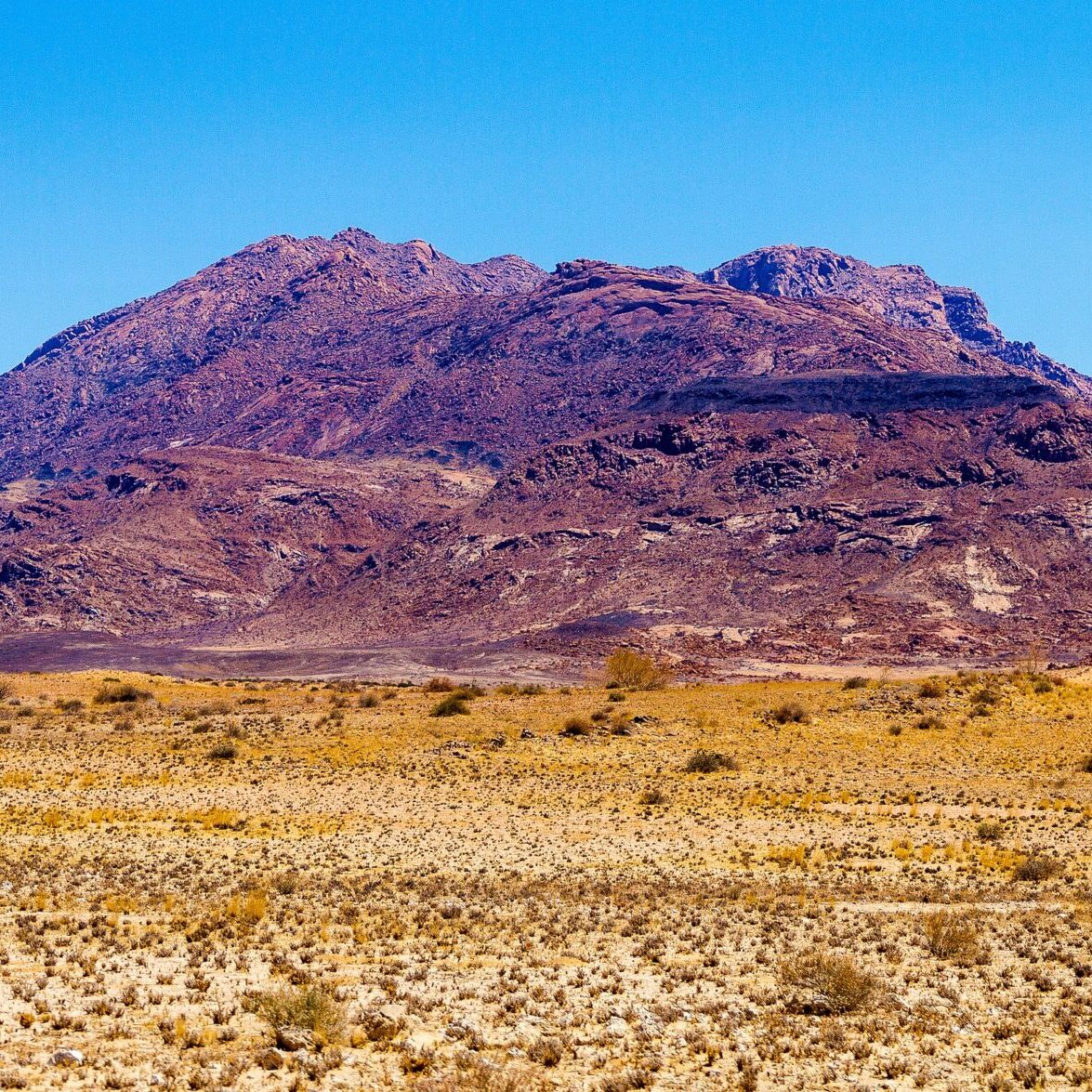
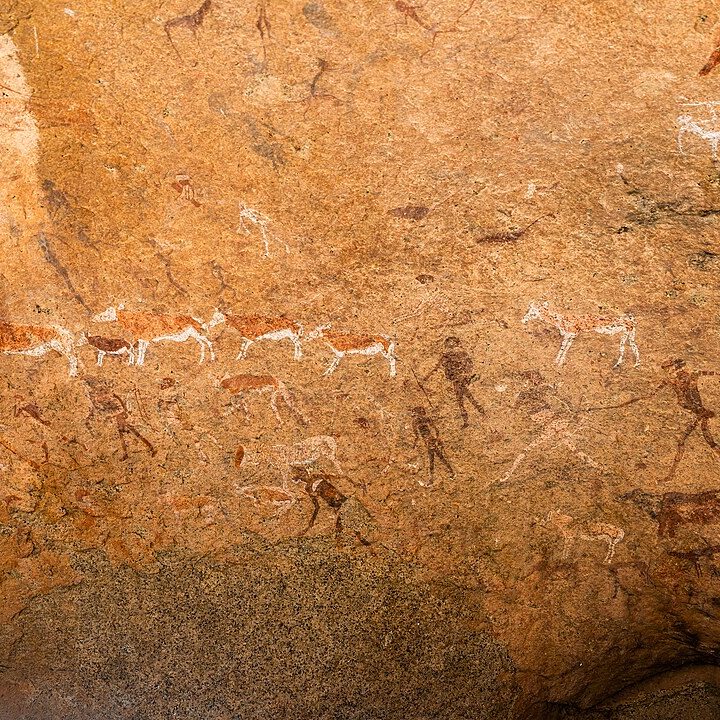
Tip 7: Drive Slowly in Damaraland and Erongo
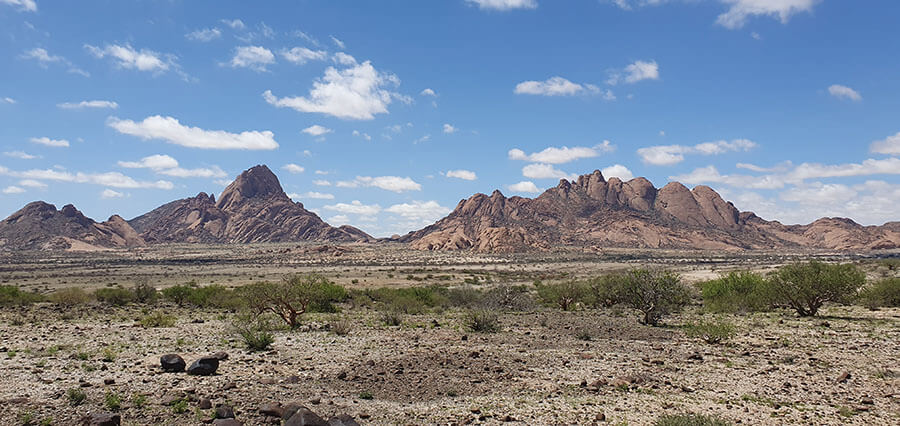
Damaraland’s beauty lies in its details — ancient rock formations, desert-adapted wildlife, and remote communities. Slow driving increases your chances of spotting elephants, giraffes, and antelope near dry riverbeds. Around Spitzkoppe and Brandberg, take time to explore on foot and respect community conservancies.

Tip 8: Protect Rock Art and Sacred Sites
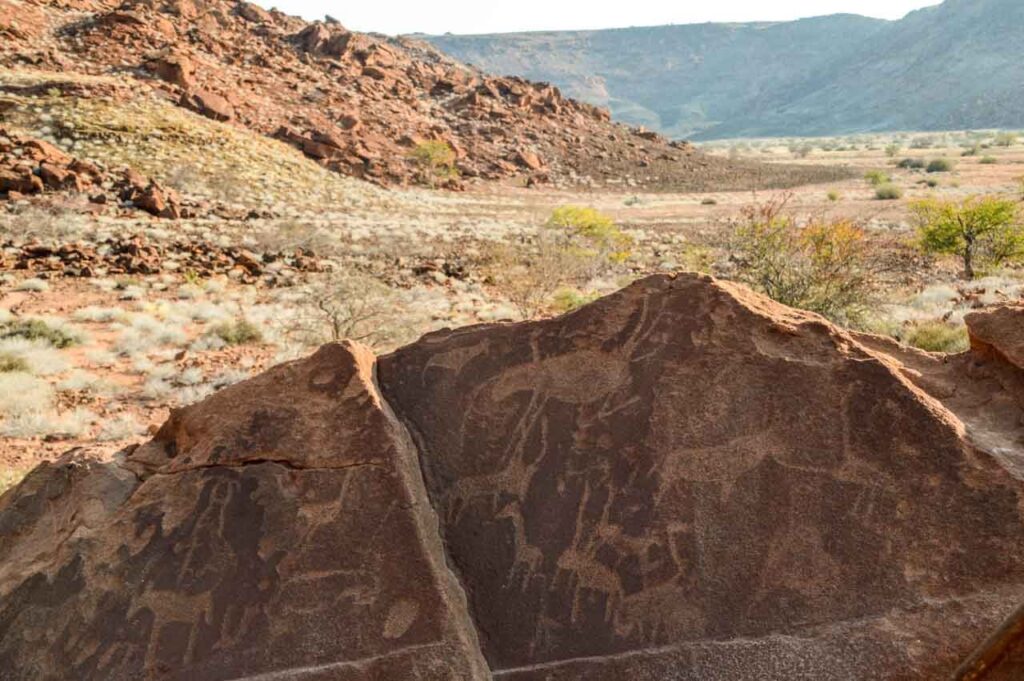
Sites like Twyfelfontein are irreplaceable cultural treasures. Stay on marked paths, never touch rock engravings, and follow local guide instructions. Responsible travel ensures these UNESCO-listed sites remain preserved for future generations of self-drive travellers in Namibia.


Northern Namibia – Wildlife & Remote Wilderness
Big Game
Excellent Wildlife Viewing
Remote Trails
True Off-Grid Travel
Salt Pans
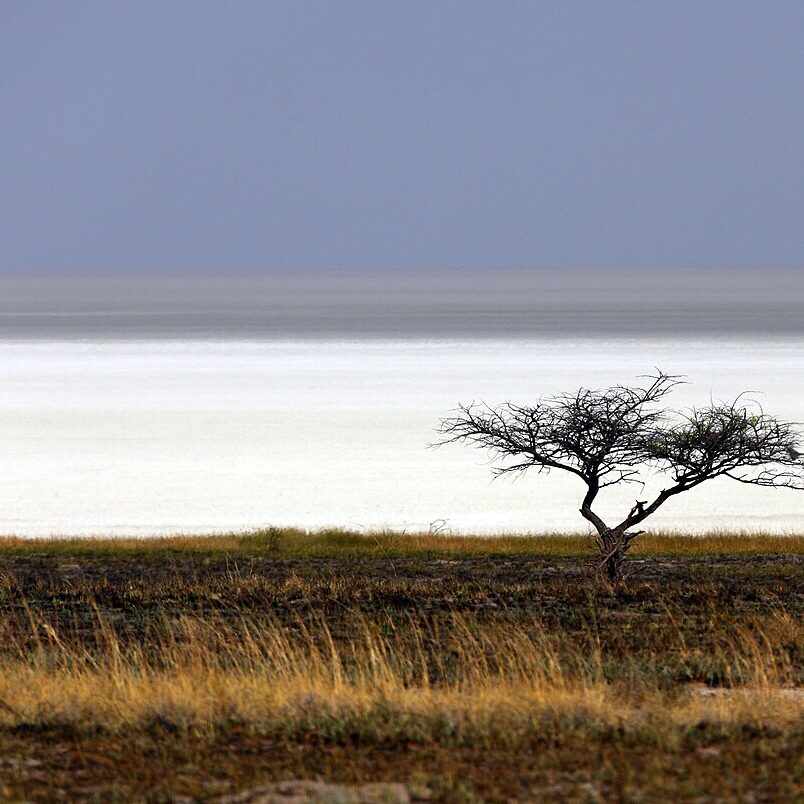
Vast Etosha Landscapes
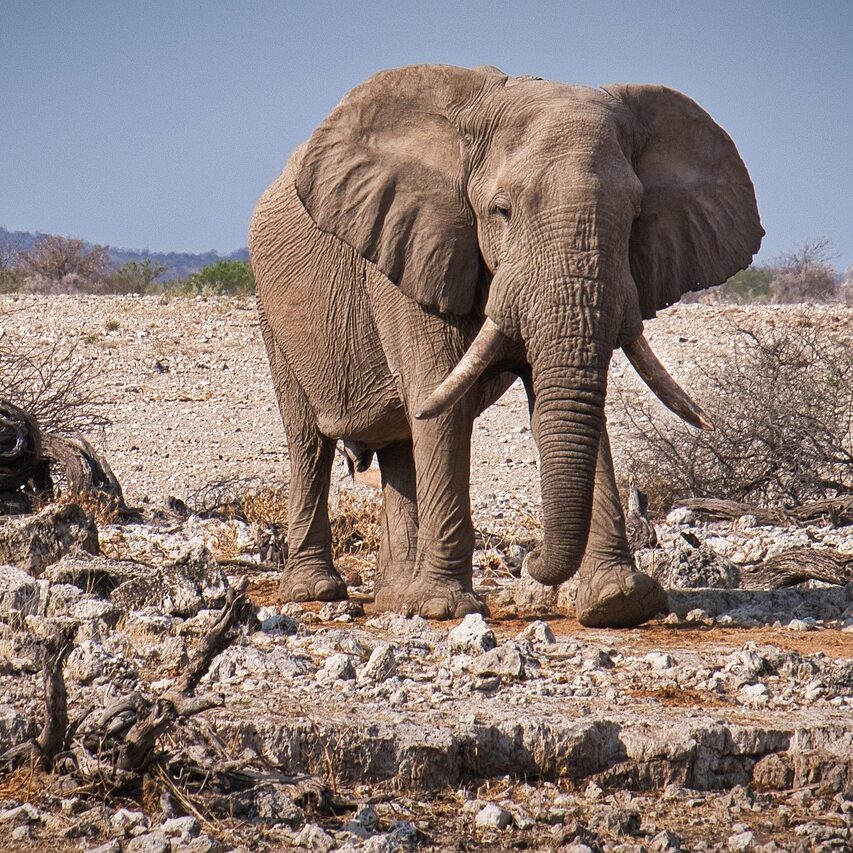
Tip 9: Follow Park Rules Strictly in Northern Namibia
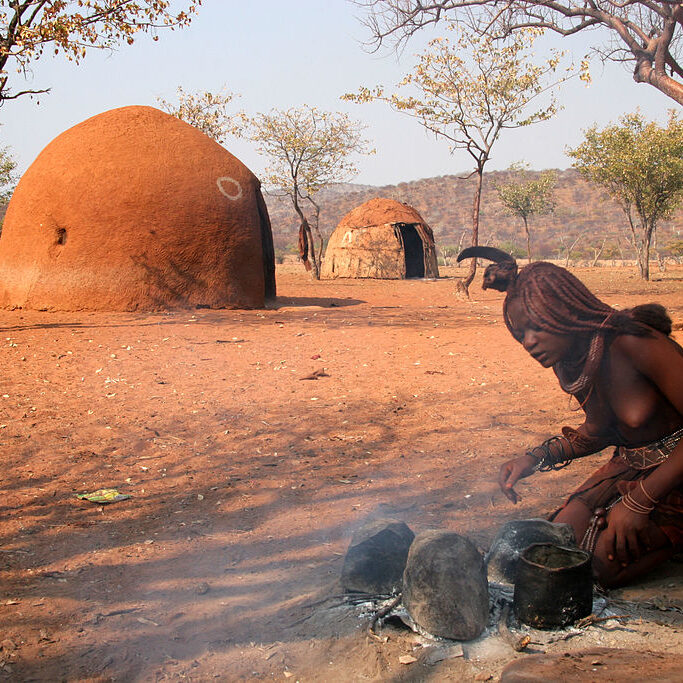
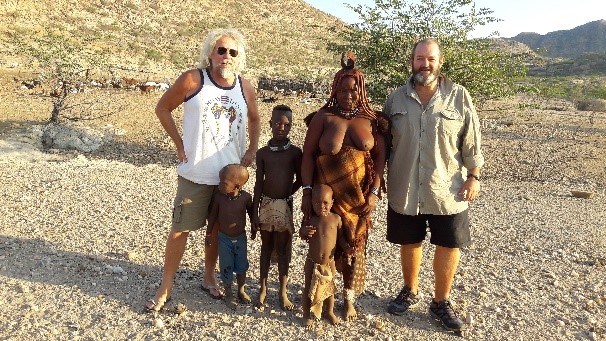
Etosha National Park and the Kaokoveld demand heightened awareness. Stick to speed limits, remain in your vehicle unless permitted, and carry enough fuel and water when venturing into remote areas. In Kaokoveld, true wilderness begins — 4x4 vehicles, route planning, and local knowledge are essential.

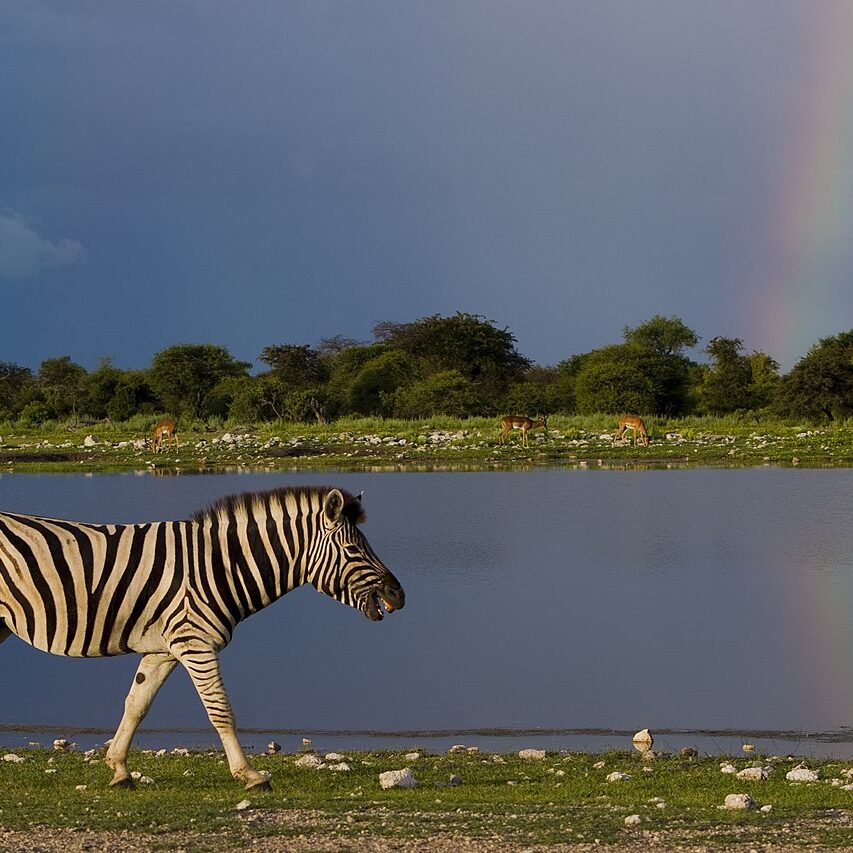




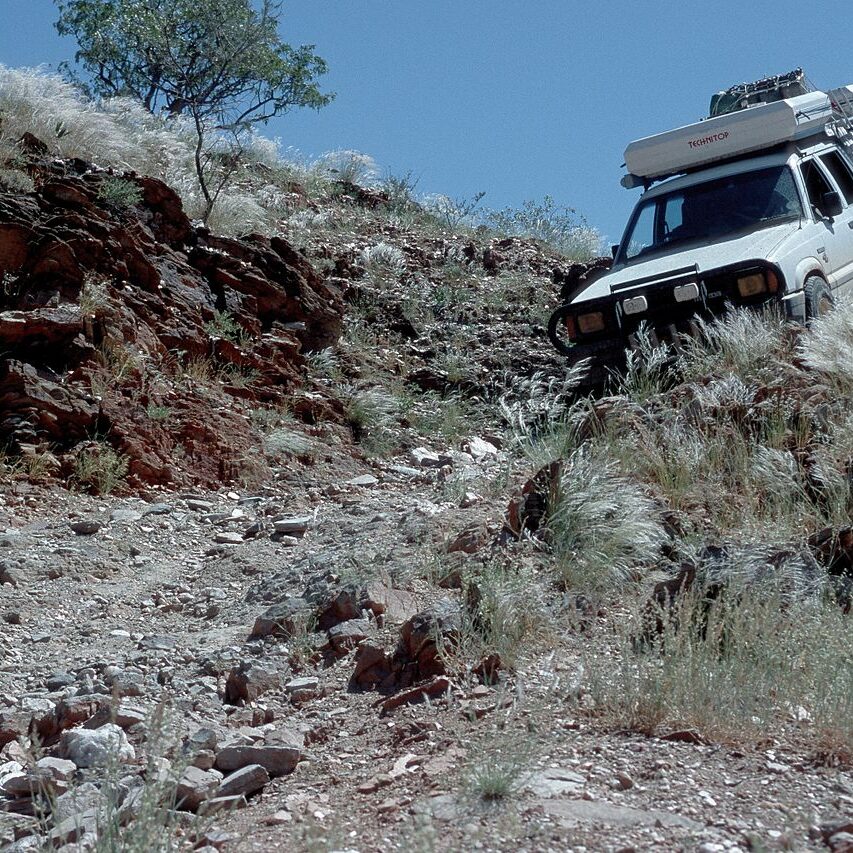
Van Zyl’s Pass (4x4 only)
Van Zyl’s Pass Notice: If you don’t have your own vehicle, driving Van Zyl’s Pass requires explicit approval from your car rental company, as most refuse access. By common agreement, the pass is only driven in one direction: east to west.
Northeastern Namibia – Rivers, Wetlands & Safari Corridors
Permanent Rivers
Year-Round Water Sources
Lush Landscapes
Green and Forested
Safari Corridor
Links To Botswana

Tip 10: Expect Wildlife on the Roads in the Zambezi & Chobe Region
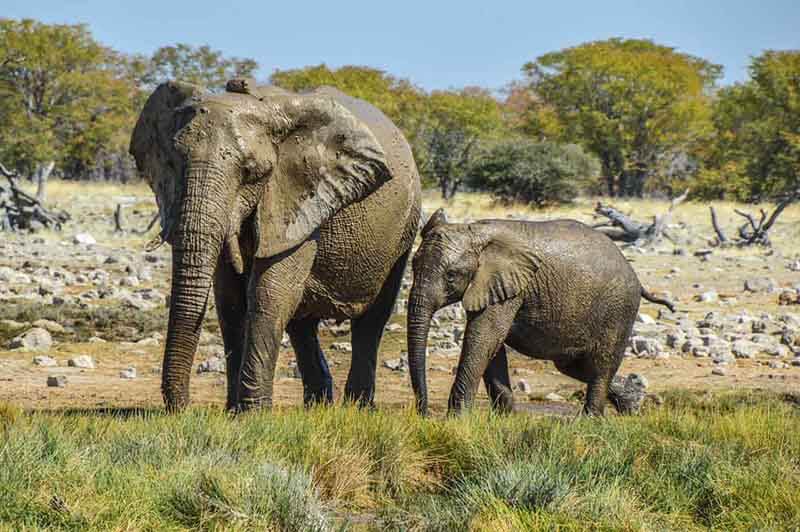
Northeastern Namibia is rich in wildlife, and animals frequently move between river systems, national parks, and community conservancies. On self-drive routes near the Zambezi and Chobe Rivers, expect elephants, antelope, and even buffalo to cross the road — often without warning. Drive slowly, especially near watercourses and at dawn or dusk, and never attempt to pass wildlife. Patience and caution are essential for a safe and rewarding self-drive safari in this region.

![Marco Schmidt[1], CC BY-SA 3.0 <https://creativecommons.org/licenses/by-sa/3.0>, via Wikimedia Commons](https://wildcherryadventures.com/wp-content/uploads/bb-plugin/cache/1.Bwabwata-National-Park-square-cb79958b9ceb43d5adaaac4cf38c0d1b-w8z7u90cthpo.jpg "1.Bwabwata National Park")




Join One Of Our Private Guided Safaris
Experience Namibia at its very best with our tailor‑made private guided tours. We design every journey around you—personal, flexible, and unforgettable. Get in touch today for your custom quote!
Frequently Asked Questions (FAQ) about Self-Drive Tours
General Namibia Travel Information
Namibia Tour & Booking Information
Not quite sure on Your Next Trip?
Why not visit our contact page, we would love to chat with you!